Tripoli: The Authentic Script Font for Modern Designers
Understanding the Character of a Premium Script Typeface
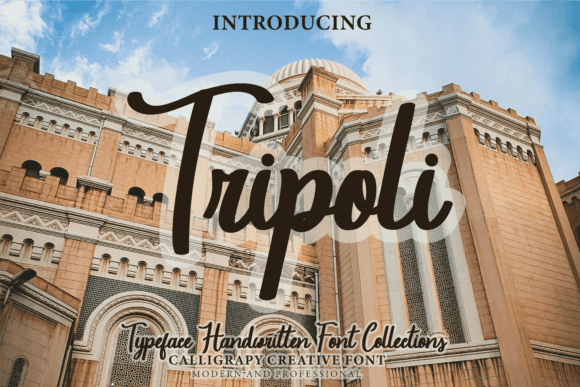
In a digital landscape saturated with generic typefaces, finding a font that feels genuinely handcrafted can transform a project from standard to standout. Tripoli is a premium script font designed to bridge the gap between traditional calligraphy and modern typography needs. It is not merely a collection of letters; it is a design asset that carries the warmth of human touch, mimicking the fluidity and imperfections of natural handwriting. For designers, marketers, and entrepreneurs, understanding the personality of a typeface is crucial. Tripoli offers an authentic, flowing aesthetic that avoids the sterile look of standard sans serif fonts while maintaining a high level of legibility. Its strokes vary in weight, creating a dynamic rhythm that draws the eye without overwhelming the viewer. This balance makes it an exceptional choice for projects requiring a personal, sophisticated, or artisanal vibe.
Strategic Applications Across Creative and Commercial Projects
The versatility of Tripoli allows it to shine in various contexts, from personal stationery to high-stakes commercial branding. Its primary strength lies in its ability to convey authenticity. For instance, in packaging design, a handwritten font like Tripoli can instantly communicate that a product is artisanal, organic, or small-batch, even before the consumer reads the label. It adds a layer of trust and craftsmanship that rigid, geometric fonts often lack.
- Wedding Invitations and Event Stationery: The flowing nature of Tripoli makes it ideal for wedding invites, place cards, and thank you notes. It sets a romantic and elegant tone, ensuring that the typography matches the significance of the event.
- Social Media Graphics and Branding: In the fast-scrolling world of social media, a distinctive logo design is vital. Tripoli can serve as a striking logotype for lifestyle brands, bakeries, boutiques, and influencers. Its personality helps build a recognizable brand identity that feels approachable yet professional.
- Editorial and Publishing: While long-form body text usually requires a clean serif or sans serif font, Tripoli is excellent for editorial design headlines, pull quotes, or magazine covers. It breaks the monotony of text-heavy layouts and injects emotion into the narrative.
- Wall Art and Photography: For photographers, watermarks are a necessity. Tripoli offers a subtle yet stylish way to sign work without detracting from the image. Similarly, for digital downloads or physical wall prints, this typeface provides the "hand-lettered" look that is highly sought after in home decor.
Mastering Font Pairings and Visual Hierarchy
One of the most common pitfalls in modern typography is using a script font inappropriately, leading to cluttered or unreadable designs. Tripoli works best when used strategically to establish visual hierarchy. It is a display font, meaning it is designed to be used at larger sizes for headlines, subheadings, or short phrases.
Creating Effective Font Pairings
To let Tripoli truly shine, it needs a supporting cast. Pairing a script font with a neutral background typeface is a fundamental rule of design. Because Tripoli has such a strong personality, it pairs exceptionally well with clean, geometric sans serif fonts or simple serif fonts.
- Tripoli + Sans Serif: Combine Tripoli with a clean sans serif like Montserrat or Open Sans. The simplicity of the sans serif allows the complex strokes of the script to take center stage. This combination is perfect for web design headers and social media graphics.
- Tripoli + Serif: For a more classic or vintage look, pair Tripoli with a traditional serif font like Garamond or Times New Roman. This evokes a sense of timeless elegance, suitable for book covers or luxury branding.
When using Tripoli, pay attention to spacing. Script fonts often require manual kerning adjustments, especially when placed next to other characters. Ensuring that the letters connect fluidly and that there is adequate breathing room around the text is essential for maintaining professionalism.
Practical Considerations for Implementation
Before integrating Tripoli into your next project, a few practical steps will ensure the best results. First, always consider the medium. While Tripoli renders beautifully in print—ideal for packaging design and business cards—screen rendering can vary. It is crucial to test the font at the specific sizes it will be displayed on digital devices to ensure readability.
- Check the Glyphs: A high-quality creative font like Tripoli often comes with a full set of glyphs, including alternate characters and swashes. Explore these options to customize your text and avoid repetitive letter shapes, which can break the illusion of natural handwriting.
- Review Licensing: For entrepreneurs and small business owners, understanding the commercial license is non-negotiable. Ensure that the license covers your intended use, whether it is for a single client project, merchandise for sale, or digital templates.
- Evaluate Context: Tripoli is a statement font. It is not designed for body text or dense paragraphs. Use it to highlight key information, such as a call-to-action button, a headline, or a specific phrase you want the audience to remember.
By treating Tripoli as a strategic tool rather than just a decorative element, you can leverage its authentic style to create designs that resonate deeply with your audience. Whether you are refining a brand identity, designing a wedding suite, or crafting social media graphics, this typeface provides the sophistication and flair needed to elevate your work. It is a testament to how the right typography can turn a simple message into a memorable visual experience.